
The Beginnings of the Relationship
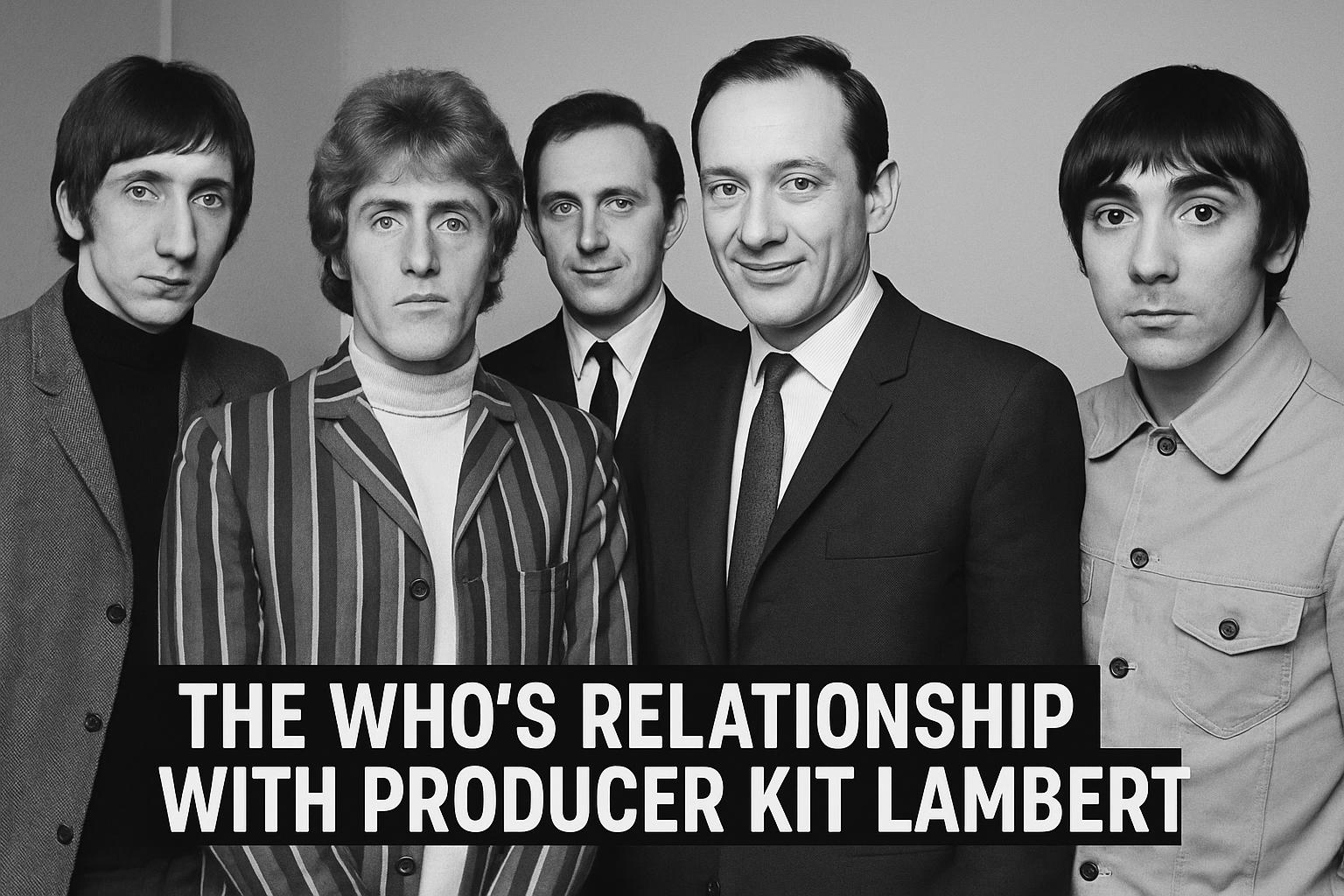
The collaboration between The Who and the producer Kit Lambert was instrumental in defining the band’s musical journey and eventual success. Formed in the early 1960s, The Who, featuring members Roger Daltrey, Pete Townshend, John Entwistle, and Keith Moon, were on a quest to carve out a niche in the dynamic rock music scene. Their fortunes transformed remarkably under the mentorship of Kit Lambert, who, along with Chris Stamp, took on the roles of both manager and producer for the band.
Lambert’s Background and Influence
Kit Lambert, coming from a musically illustrious family as the son of composer Constant Lambert, possessed a profound understanding of music, which significantly benefited The Who. Although Lambert began his career not in the music industry per se but in film, his diverse background equipped him with a unique perspective. His insight into music theory and composition, paired with an innate ability for promotion, played a vital role in shaping the band’s public persona and musical style. This guidance enabled The Who to transition from a Mod band into one of the most enduring rock groups.
Striking Musical Success
Under Lambert’s tutelage, The Who achieved notable success with the release of several iconic albums. Among these was “Tommy,” a rock opera that not only broke new ground in the realm of music but also established a significant cultural footprint. Lambert’s input in albums like “A Quick One” and “The Who Sell Out” laid the foundation for the band’s unique and recognizable sound. His ability to push the members creatively urged them to embark on a path of experimentation and artistic evolution.
Creative Collaboration
The partnership between Kit Lambert and Pete Townshend was particularly productive. Lambert encouraged Townshend to delve into complex themes and structures, a process evident in productions such as “Tommy.” Lambert’s influence spurred Townshend on to grow as a songwriter, with the duo embarking on ambitious musical projects that further solidified The Who’s legacy. This creative synergy was instrumental in defining the artistic direction of the band during its formative years.
Challenges and Conclusion
Despite the innovation and success brought about by their collaboration, the relationship between Lambert and The Who was not without its difficulties. Over time, tensions surfaced due to creative differences and personal issues. One significant strain was Lambert’s struggles with substance abuse. These challenges strained the partnership, eventually leading to the dissolution of their professional relationship in the early 1970s.
The collaboration between The Who and Kit Lambert marked a pivotal era in the band’s history. Lambert’s influence in shaping their sound and public image was critical during the band’s critical early development. For those seeking deeper insights into The Who, further exploration can be pursued through additional resources, such as the official The Who website. Lambert’s enduring legacy is reflected in the music and innovative spirit he helped cultivate, thereby securing his place in rock history.
Laying the Foundations for The Who’s Image
Kit Lambert was deeply involved not only in the sonic elements of The Who’s work but also in their image and marketability. By crafting a rebellious and groundbreaking image, Lambert and Stamp positioned The Who as not just musicians, but as cultural icons. This branding was vital in drawing attention to the band, making their music resonate with the youth of the 1960s who were eager for change and expression.
Lambert perceived music as more than sound; he saw it as a vehicle for storytelling and expression. This comprehensive approach to music production was what set his work with The Who apart from many contemporaries. His vision saw the band crossing from simply performing songs to delivering narratives and themes, elevating the album experience to an art form.
Influence of Film on Lambert’s Production Style
Kit Lambert’s expertise in film provided him with a unique vantage point in the music industry. This background in film equipped him with a keen understanding of pacing, narrative, and drama—qualities he effectively integrated into The Who’s albums. The structure of “Tommy,” for instance, exhibits a cinematic quality that tells a coherent story through music. This approach was revolutionary at the time and showcased how Lambert’s filmic insights could enhance musical storytelling.
Development of the Rock Opera
The concept of the rock opera, exemplified by “Tommy,” can be directly attributed to Lambert’s innovative spirit. By pushing The Who to produce a coherent narrative arc throughout an entire album, Lambert was not merely redefining the band’s music but also altering the landscape of rock music. This pioneering approach has resonated through decades of musical productions, influencing countless artists and genres.
The Enduring Legacy of Kit Lambert
Beyond his direct contributions to The Who’s success, Kit Lambert’s influence pervades the music industry at large. The risk-taking, narrative-driven production pioneer reshaped how albums were conceptualized and constructed. Today’s music landscape, with its thematic albums and intricate productions, owes much to Lambert’s vision.
In summation, Kit Lambert’s partnership with The Who was a defining chapter, marked by creative milestones and challenges. His work with the band notably transformed their sound and industry approach, leaving an indelible mark on rock music. Lambert’s legacy, preserved through The Who’s enduring success and ongoing influence on music, ensures his place as a seminal figure in rock history.
