
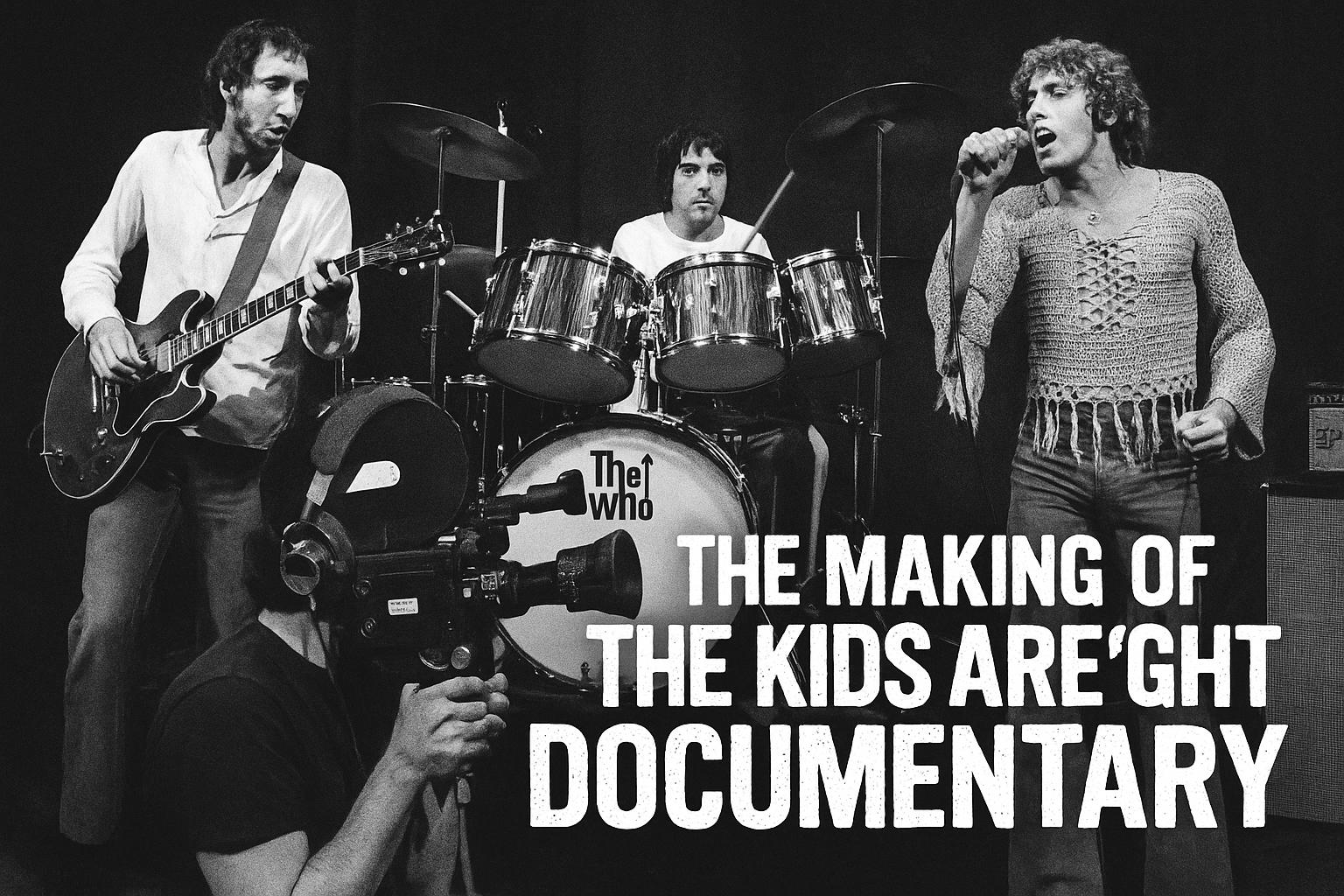
The Concept and Origins
The documentary, The Kids Are Alright, serves as a highly regarded cinematic tribute to the iconic British rock band, The Who. Esteemed for its comprehensive and vibrant depiction of the band’s evolution, the film succeeds in capturing both the history and the musical journey of this legendary group. The conceptualization of this project began in the mid-1970s, stemming from the ambitions of Jeff Stein, an American superfan of the band. Stein, deeply entrenched in the music and culture that The Who embodied, envisioned a documentary project that would encapsulate the band’s dynamic stage presence and musical innovation, alongside its evolving narrative.
Stein’s passion for this endeavor did not wane as he championed the potential for a film that could encapsulate the energy and impact of The Who in a way that had not been attempted before. The concept was not merely to chronicle the band’s musical accomplishments but to delve profoundly into the essence of their unique artistry and appeal. By focusing on this, Stein aimed to offer fans and music enthusiasts alike an immersive experience into the world of one of rock’s most dynamic and influential bands.
Jeff Stein’s Involvement
Jeff Stein’s role was a cornerstone of the documentary’s creation, despite him having no prior experience in directing. Stein approached the members of The Who with his documentary proposal, bringing to the table his profound enthusiasm and loyalty to the band, which proved to be instrumental in securing their agreement. By demonstrating his unwavering commitment to authentically representing The Who, Stein successfully managed to gain the trust of the band’s managers and Pete Townshend, the lead guitarist and principal songwriter.
His vision extended beyond capturing a series of concert performances; instead, he proposed to weave a narrative that captured not only onstage triumphs but the intricate personalities and artistic processes that occurred offstage. His sheer enthusiasm for The Who’s music and history was transparent from the start, and it spearheaded his pursuit to encapsulate the band’s essence in its entirety.
Archival Exploration
A pivotal aspect of the documentary was its comprehensive use of archival footage, which required Stein and his team to delve deep into the vaults of the band’s performance history. This archival exploration was a meticulous process that involved reviewing and selecting from hundreds of hours of pre-existing material, including past live performances, television appearances, and interviews. The team sourced this material globally, demonstrating an unwavering commitment to crafting an authentic and detailed narrative reflective of the band’s legacy.
The archival footage contributed an essential element to the documentary, ensuring that the essence of The Who’s impactful career was captured faithfully. This detailed curation of historical content allowed for a vivid portrayal of the band as it had evolved over the years. By meticulously selecting and weaving together this content, Stein was able to construct a narrative that was both comprehensive and authentic, celebrating the band’s storied history and enduring influence on the rock music genre.
Filming New Content
In complement to the archival materials, the production involved filming new content to capture the band’s present-day dynamics and performances. Members of The Who were deeply involved in this aspect of the filming, granting Stein and his team unprecedented access, thus fostering an environment where candid and intimate moments could be captured. The inclusion of these behind-the-scenes glimpses provided viewers with richer insights into the personalities and interpersonal dynamics within the band.
The newly filmed content, characterized by its contemporary relevance, served to illustrate the band’s development and adaptation over the years. The footage not only highlighted the band’s current musical prowess but also provided a candid look into their processes and interactions outside of the public eye. Stein and his crew’s dedication to authenticity ensured that this new content would align harmoniously with the historical footage to paint a holistic picture of the band.
Challenges and Production
During the production of The Kids Are Alright, Stein and his team faced an array of challenges. Coordination with busy band members, each with their own demanding schedules, was a continuous obstacle. Additionally, the band was renowned for their high-energy performances and at times, unpredictability, which required the production team to remain flexible and adaptive.
Despite these inherent challenges, Jeff Stein’s dedication and meticulous planning were instrumental to the documentary’s successful creation. Through tireless effort and an unwavering commitment to capturing The Who authentically, the team was able to navigate the various difficulties that arose. Their commitment ensured that the documentary not only met its intended vision but could be celebrated as a true testament to the band’s legacy.
Release and Legacy
Released in 1979, The Kids Are Alright quickly earned both critical acclaim and public appreciation. It remains celebrated as one of the definitive rock documentaries, recognized for its authenticity and vivid portrayal of The Who’s illustrious career. The documentary’s effective chronicling of the band’s journey, from their explosive rise to their sustained influence, has solidified its place in rock history.
For those interested in delving further into the intricacies of the film, resources and interviews with Jeff Stein provide additional insights into the documentary’s production and its cultural significance. The film’s success in capturing the unique spirit of The Who ensures its longevity as an iconic representation of rock music’s transformative impact, both within and beyond the boundaries of the band itself.
