
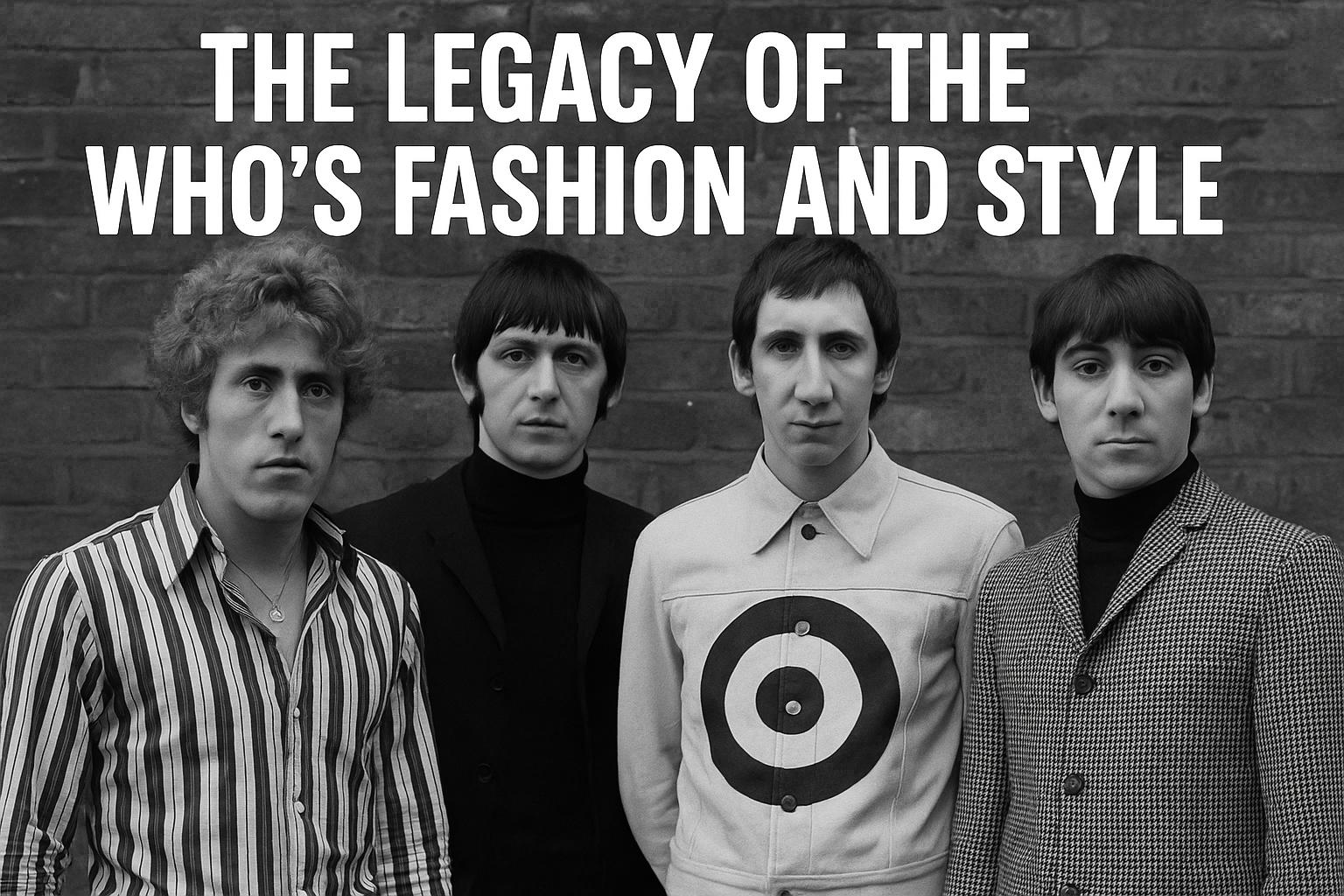
The evolution of The Who’s fashion and style mirrors not only the changes within the music industry but also the broader cultural trends from the 1960s onwards. The Who, consisting of members Pete Townshend, Roger Daltrey, John Entwistle, and Keith Moon, managed to carve out a distinctive image that has resonated with fans across generations. Through various phases of the band’s storied career, fashion played a crucial role in how they communicated their music and message.
The Evolution of The Who’s Fashion and Style
The Who, a seminal force in the British rock scene since the mid-1960s, have been recognized for their innovative music and their bold fashion choices. Their style journey, reflective of the eras they thrived in, makes them icons in both music and fashion domains.
1960s: The Mod Era
In the transformative decade of the 1960s, The Who became synonymous with the Mod movement—a cultural rebellion defined by its sophisticated, sharp fashion sense. This was a time when youth culture began to assert its identity vigorously, and The Who was at the forefront, both sonically and sartorially.
The Mod style, which The Who embodied, was characterized by clean lines and minimalism, coupled with bold, symbolic imagery. Tailored suits, often accompanied by thin ties and parkas, were emblematic of this era. These choices weren’t just about looking aesthetically pleasing; they reflected a desire to break free from the conservative styles of the post-war period. Pete Townshend, in particular, became well known for incorporating the Union Jack into his attire, a move that not only highlighted his national pride but also aligned the band with a uniquely British identity.
Expression Through Fashion
The Who utilized fashion as a means of expression, employing their attire to relay an anti-establishment message that resonated with the youth of the time. Military jackets adorned with colorful patches and pins became symbols of rebellion, creativity, and non-conformity. This was an era where fashion was much more than clothing—it was a medium for communication and statement. The Mod culture, much like The Who’s music, was about challenging norms and creating an identity that was markedly different from what came before.
1970s: Transition and Experimentation
The 1970s witnessed The Who’s evolution both musically and sartorially. Transitioning from their Mod roots, they embraced a more eclectic style that mirrored the dynamic shifts in their musical approach from ‘Mod Rock’ to hard rock. The fashion of the 1970s was characterized by experimentation, and The Who were not ones to shy away from bold choices.
Members of the band began sporting more flamboyant outfits—think open-chest shirts, fringe-adorned jackets, and vibrant colors. Roger Daltrey, particularly, became a style icon with his penchant for eye-catching, rock-inspired looks that appealed to a new generation of fans. This period was all about embracing freedom—in music, fashion, and creativity.
Impact on the Fashion Industry
The Who’s style in the 1970s wasn’t just a personal brand; it influenced the broader fashion industry. The unconventional and eclectic look started trickling into mainstream fashion, affecting both high-end designers and street fashion. Their fearless approach to style inspired designers looking to capture the spirit of rebellion and change that rock and roll embodied during this era. The Who set a precedent for future generations of musicians, proving that style is an integral component in crafting a lasting legacy.
Legacy and Influence
Even today, the influence of The Who is evident in various realms of fashion. Designers often draw inspiration from The Who’s distinctive elements, incorporating iconic motifs such as the Union Jack, bold patterns, and tailored blazers that the band popularized. Whether it’s on the runway or in retail collections, the echoes of The Who’s style choices remain potent within the fashion industry.
Their impact extends beyond clothing, influencing a wide array of merchandise that includes everything from t-shirts to high-fashion collaborations. This continued influence demonstrates the timeless nature of their style, which manages to capture the essence of British rock ethos while continually resonating with new audiences and generations.
Conclusion
The Who skillfully navigated the cultural shifts of their time, leaving an indelible mark on the fashion world as much as they did on the music scene. Their journey from a sharply dressed Mod band to pioneers of rock-influenced eclectic fashion highlights a narrative of continuous evolution. By adding to and reinventing fashion norms, The Who crafted a legacy that transcends the musical landscape, continuing to inspire both fashion designers and fans alike.
This demonstrates not just a band’s venture into stylistic evolution but reflects the power of fashion as an integral form of cultural commentary and influence. For those intrigued by their groundbreaking journey, further exploration into The Who’s significant impact can offer deeper insights into how fashion and music interplay to define cultural eras.
