
The Who: Innovators in Album Art
The Who, one of the most renowned rock bands of the 20th century, not only revolutionized the music industry with their sound but also made significant contributions to the visual aspect of albums. Their pioneering spirit extended beyond audio, as they frequently challenged and redefined the boundaries of album art.
Album Art: A Visual Extension of Music
Album covers have long been an integral aspect of the music experience. For The Who, album art served as more than just a protective cover; it was an essential part of storytelling and their creative expression. This notion positioned them as leaders in utilizing album visuals to create a tangible extension of their music.
The Influence of “Tommy”
One of the most notable examples of The Who’s innovative approach to album art is their 1969 rock opera, Tommy. The cover, designed by Mike McInnerney, defied conventional aesthetics. It featured a striking blue sky with a surreal grid pattern of openings, hinting at the unique and otherworldly themes contained within the album. This visual concept intrigued listeners and offered an initial glimpse into the band’s ambitious narrative.
Bold Designs: “Who’s Next”
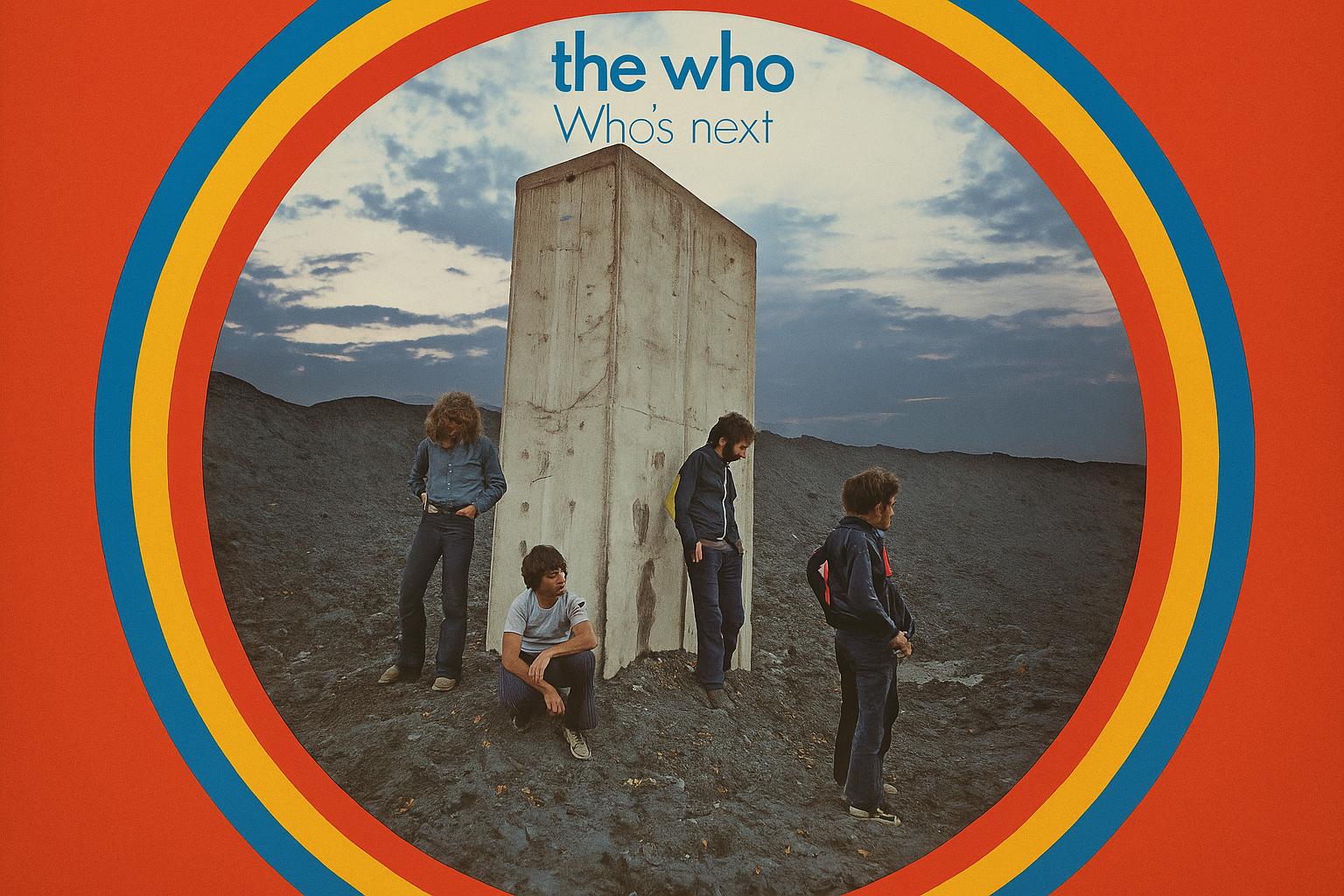
Who’s Next, released in 1971, further exemplified The Who’s capacity to employ bold and provocative artwork. The album’s cover, featuring the band members after seemingly urinating on a monolith, was both controversial and symbolic. It reflected the rebellious and unconventional spirit of the band, sparking conversation and attention. The audacity of this cover pushed the limits of what was acceptable in album art at the time, further cementing The Who’s role as innovators.
Quadrophenia: A Cinematic Experience
In 1973, Quadrophenia presented a more cinematic style of album artwork. The cover, designed by Ethan Russell, combined black and white photography with a narrative-driven booklet. Through this visual support, the album’s concept—centered on the life of a mod named Jimmy—was enhanced and expanded. The comprehensive packaging allowed listeners to immerse themselves in the story, setting a precedent for concept albums that followed.
Exploring the Role of Album Art in Storytelling
To appreciate the influence of The Who on album art, it’s essential to explore how they utilized visual storytelling. The album art became a vehicle for the band to extend their narratives beyond music. For instance, McInnerney’s work on Tommy created an enigmatic canvas that hinted at the depth of the album’s content. Instead of presenting a straightforward depiction of the themes, the cover’s abstract nature encouraged listeners to delve into the music with curiosity and imagination.
Similarly, Quadrophenia’s artwork wasn’t merely an accessory to the album but a narrative device in itself. The images and booklet were deliberately crafted to guide listeners through the story of Jimmy’s life, adding layers to the emotional and psychological journey that the album depicted. The storytelling extended the listening experience by providing a multisensory engagement with the artist’s vision.
The Interplay Between Music and Visual Innovation
Several factors contributed to the groundbreaking work The Who accomplished in album art. A pivotal one was their willingness to embrace experimentation. By stepping away from conventional designs and incorporating abstract art, symbolic imagery, and photography, they continually sought to harmonize the visual with the musical elements of their work.
The album art of The Who reflects a broader trend during the 1960s and 70s when musicians started viewing their albums as complete artistic statements. Instead of isolating music and visuals, the band integrated these components to provide a holistic experience. This innovative approach encouraged fans to see music albums not just as collections of songs but as comprehensive artworks.
The Cultural Context and Its Influence
The cultural landscape of the time also played a significant role in shaping The Who’s approach to album art. The late 1960s and early 1970s were periods of profound social change and artistic experimentation, marked by movements that pushed the boundaries of traditional art forms. During this era, rock music transcended the simple pleasures of rhythm and melody to become a form of cultural commentary and self-expression.
For The Who, album art became a medium to communicate their reflections on these changing times, which is notably evident in the provocative cover of Who’s Next. The era’s rebellious spirit was encapsulated in this imagery, mirroring societal challenges and changes. At its core, the album art was a dialogue between the band and their audience, reflecting the wider cultural shifts.
The Industry-Wide Impact
The Who’s bold vision for album art set a precedent within the music industry, soon influencing their contemporaries. Their work demonstrated that album covers could transcend commercial functionality and elevate to a platform for artistic expression. Artists and designers began to engage with album covers as a serious creative pursuit, resulting in a wider acceptance of avant-garde, experimental, and provocative designs in mainstream music.
This legacy is visible in the work of many musicians who followed. Bands and artists began to experiment more freely with visuals, inspired by the way The Who seamlessly integrated audio and visual elements. The impact extended beyond rock, influencing genres such as punk, new wave, and even into the burgeoning hip-hop scene, where album covers continue to be vital aspects of artistic identity.
Lasting Impact and Legacy
The Who’s fearless approach to album art significantly influenced both their contemporaries and future generations of musicians and artists. By treating album covers as an art form in their own right, they elevated the standard for what could be achieved visually in conjunction with music.
Their legacy in album art continues to inspire musicians to experiment and push boundaries, ensuring that album visuals remain as compelling and innovative as the music itself. For more insights on The Who and their impact on music and art, you may explore various online resources or music history retrospectives on this iconic band.
In conclusion, The Who not only crafted a distinctive sound that resonated globally but also pioneered a new vision for album art. By championing visuals as part of the storytelling process, they expanded the definition of what music albums could be. Their work continues to inspire both musicians and visual artists, cementing their place as innovators not just in sound but in sight as well.
